

When Drains Close a Mauá Shop: Counting the Cost and Reopening Fast

When Drains Close a Mauá Shop: Counting the Cost and Reopening Fast
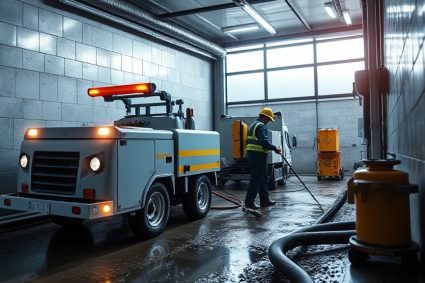
It is 11 a.m. on a Saturday, and the closed sign is already up on a Mauá storefront. The reason is not a holiday or a staff shortage: a backed-up floor drain has flooded the back room, and the shop cannot legally serve customers until the water is gone. For the owner standing there with a mop, the real question is not how the clog happened, but what this closed hour is worth — and how quickly a desentupidora Ribeirão Pires team can get the doors open again.
Search intent here is practical: owners and managers want a fast, local drainage service that can clear a blockage before a half-day of sales disappears. The answer is to call an emergency team that serves the ABC region, document the loss, and reopen only after the line is tested.
What One Closed Hour Costs in Mauá
Mauá’s commercial streets run on Saturday foot traffic, and a closure at 11 a.m. hits the busiest window. The loss is not only the sales you miss; it is also staff wages paid while nobody serves, perishable stock warming in a fridge, and customers who walk to the next open door and may not come back.
For a small shop, the calculation is simple enough to do on a phone. Take the average Saturday revenue, divide by opening hours, and multiply by the hours closed. Then add the cost of the emergency call-out and any water damage to flooring or stock. Most owners find the closure itself costs more than the desentupimento service.
That is why speed matters more than a slightly lower quote. A crew that arrives in the early afternoon and clears the line in under an hour usually beats a cheaper team booked for the next morning.
Loss Mapping by Business Type
Not every Mauá business loses money the same way when a drain backs up. Understanding your own exposure helps you decide how urgently to act and what to protect first.
Salons and barbershops
Hair salons depend on wash basins and constant water flow. A blocked drain in the shampoo area stops appointments immediately, and clients with wet hair rarely wait. The loss is measured in cancelled slots and in clients who rebook elsewhere. Protect the day by shutting the affected basin, moving dry services forward, and calling for drainage help at once.
Restaurants and snack bars
Food businesses face the strictest pressure. A flooded kitchen or a backed-up floor drain can trigger a health inspection issue, and the kitchen cannot operate without working drains. A single blocked grease line can close a restaurant for a full service. Lost covers, spoiled ingredients, and staff sent home add up fast, so this is the category where an emergency call is almost always justified.
Small retail and convenience shops
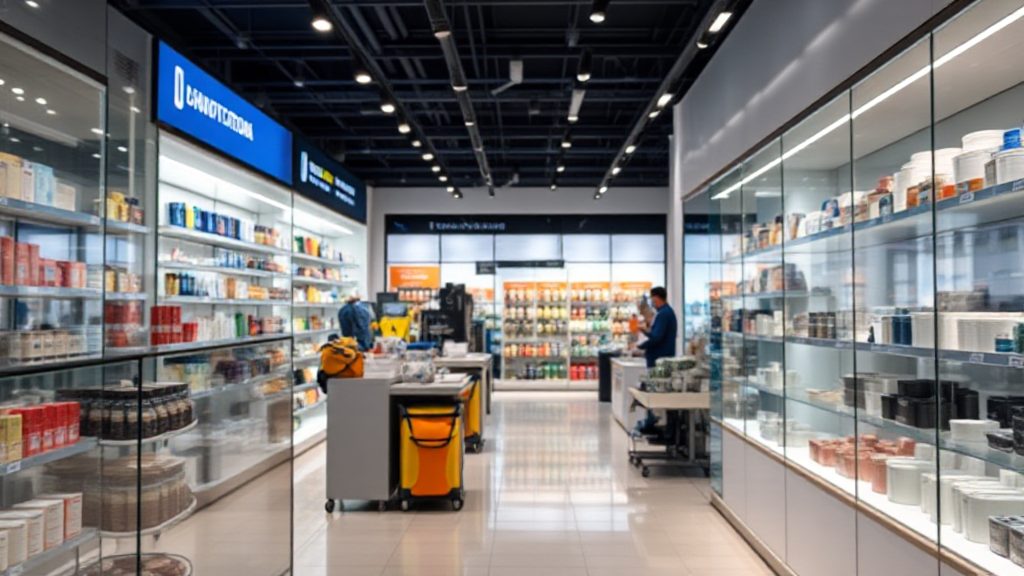
Retailers may not use much water, but a drain backup in a stockroom or restroom still forces a closure if the floor is wet and slippery. The risk here is damage to merchandise and the liability of a customer slipping. Move stock off the floor, block the area, and get the line cleared before reopening the sales floor.
Offices and clinics
These spaces lose less in direct sales but more in disruption and reputation. A restroom out of service sends staff and patients elsewhere, and a smell in reception leaves a lasting impression. For these businesses, a fast response protects the professional image as much as the plumbing.
The Recovery Sequence: From Closed Sign to Open Door
Once you decide to act, a clear sequence keeps the closure short and the reopening safe. Follow these steps in order rather than improvising.
- Stop the water and contain the mess. Turn off the nearest supply if water is rising, and use towels or a wet vacuum to keep the flood from spreading into stock or electrical areas.
- Call a local emergency team. Describe the problem precisely: which drain, whether it is sewage or clean water, and whether the whole building is affected. A provider serving the region, such as a desentupidora Ribeirão Pires SP, can dispatch equipment suited to the blockage instead of guessing.
- Document everything for insurance. Photograph the flooded area, damaged stock, and the drain before anyone clears it. This record supports a claim and helps you calculate the real cost of the incident.
- Let the technicians work and ask for a test. After clearing, the line should be flushed and checked so the clog does not return the same afternoon. Ask what caused the blockage and whether the pipe needs a camera inspection.
- Clean and reopen in stages. Disinfect wet floors, confirm the drain runs freely, and reopen the unaffected part of the shop first if possible. A partial reopening recovers some of the lost hour.
If the blockage is in a shared line or affects neighbouring units, involve the building manager early. A desentupidora em Ribeirão Pires SP crew used to working with condominiums can coordinate access and avoid blame games between tenants.
A Short Prevention Note for Mauá Shop Owners
Most emergency closures start small: grease poured down a kitchen drain, hair accumulating in a salon basin, or roots and debris in an older pipe. A monthly habit of pouring hot water through kitchen drains, using strainers in every sink, and scheduling a preventive check before the rainy season costs far less than a Saturday shutdown.
Keep the emergency number where staff can find it without searching, and train the closing team to report slow drains before they become floods. The shop that reopens in an hour is usually the one that planned for the worst hour.